
Website design is evolving faster than ever, driven by rapid technological advancements and changing user expectations. In 2026, a website is no longer just a digital presence—it is a powerful tool for engagement, personalization, and business growth. As competition increases in the online space, businesses and designers must stay ahead of the curve by embracing the latest trends shaping the future of website design.
1. AI-Powered Personalization
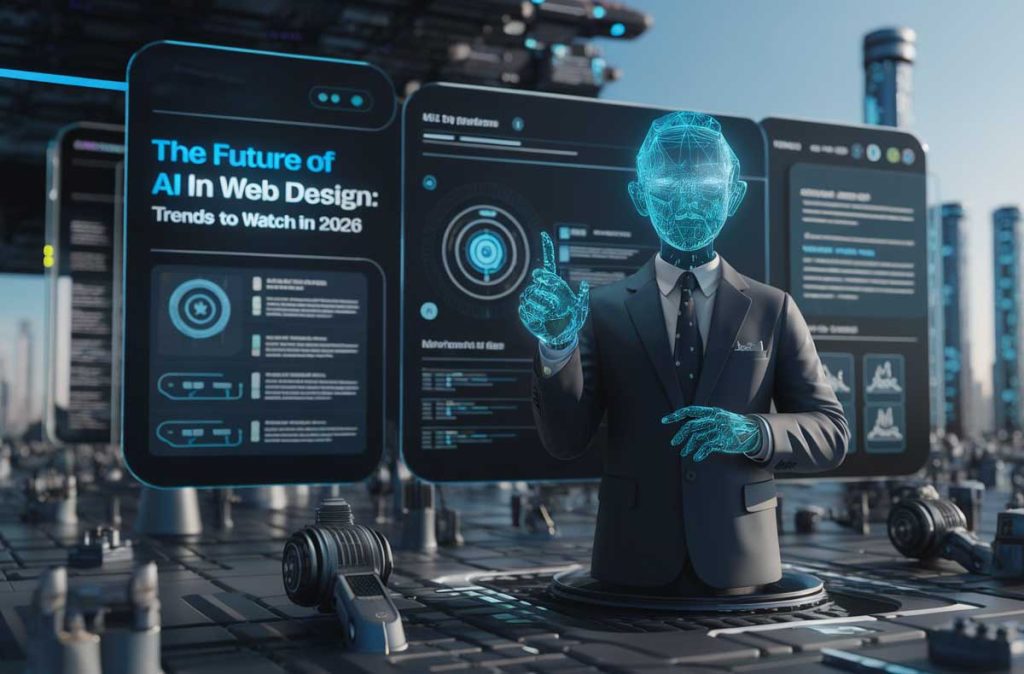
One of the most significant trends in 2026 is the rise of artificial intelligence (AI) in web design. Websites are becoming smarter, adapting content, layouts, and user experiences in real time based on individual behavior. AI-driven personalization allows websites to deliver tailored recommendations, dynamic content, and customized interfaces that make users feel understood and valued.
For example, an e-commerce website can display products based on a user’s browsing history, preferences, and even predicted needs. This level of personalization not only improves user satisfaction but also increases conversion rates and customer loyalty.
2. Voice and Conversational Interfaces
As voice assistants and chatbots continue to grow in popularity, conversational interfaces are becoming a key component of modern websites. In 2026, users expect to interact with websites using natural language, whether through voice commands or chat-based systems.
These interfaces simplify navigation, improve accessibility, and provide instant support. Businesses can use AI-powered chatbots to guide users, answer questions, and even complete transactions, creating a seamless and efficient user experience.
3. Immersive Experiences with AR and VR
Augmented reality (AR) and virtual reality (VR) are transforming how users interact with websites. In 2026, immersive design is no longer limited to gaming—it is being widely used in industries like retail, real estate, and education.
Websites now allow users to visualize products in their real-world environment, explore virtual spaces, and engage with interactive content. This not only enhances user engagement but also helps users make more informed decisions.
4. Minimalism with Micro-Interactions
While bold and creative designs are gaining attention, minimalism still plays a crucial role in website design. However, in 2026, minimalism is enhanced with micro-interactions—small animations and visual cues that improve usability and engagement.
These subtle effects, such as hover animations or loading indicators, provide feedback to users and make the experience more interactive without overwhelming the interface. The result is a clean yet dynamic design that balances simplicity and functionality.
5. Mobile-First and Performance-Driven Design
With the majority of users accessing websites through mobile devices, mobile-first design is no longer optional—it is essential. Websites in 2026 are built primarily for mobile users, ensuring fast loading times, responsive layouts, and smooth navigation.
Performance is also a top priority. Users expect websites to load instantly, and even a slight delay can lead to higher bounce rates. Designers must optimize images, code, and overall site performance to deliver a seamless experience across all devices.
6. Accessibility and Inclusive Design
Accessibility has become a fundamental aspect of website design in 2026. Designers are focusing on creating websites that are usable by everyone, including people with disabilities. This includes features such as readable typography, proper color contrast, keyboard navigation, and screen reader compatibility.
Inclusive design not only expands a website’s reach but also demonstrates social responsibility, building trust and credibility with users.
7. The Rise of Adaptive and “Invisible” Design
Another emerging trend is adaptive design, where websites automatically adjust their layout and functionality based on user behavior, context, and preferences. This concept is closely related to “invisible design,” where interfaces become so intuitive that users hardly notice them.
The goal is to reduce friction and make interactions effortless. By predicting user needs and simplifying navigation, websites can deliver a smoother and more enjoyable experience.
8. Bold Creativity and Expressive Design
While functionality remains important, 2026 also brings a shift toward more expressive and visually engaging designs. Designers are experimenting with vibrant colors, unique typography, and nostalgic elements to create memorable experiences.
This trend reflects a growing desire for individuality and emotional connection in digital spaces. Websites are no longer just functional—they are also a form of storytelling and brand expression.