
In the modern digital era, having a website is just the first step toward establishing an online presence. With millions of websites competing for attention, standing out requires more than just an attractive design. Search Engine Optimization (SEO) is the key to ensuring your website is discoverable, attracting the right audience, and driving consistent traffic. This guide will explore everything you need to know about SEO to boost your website visibility and rankings.
Understanding SEO and Its Importance
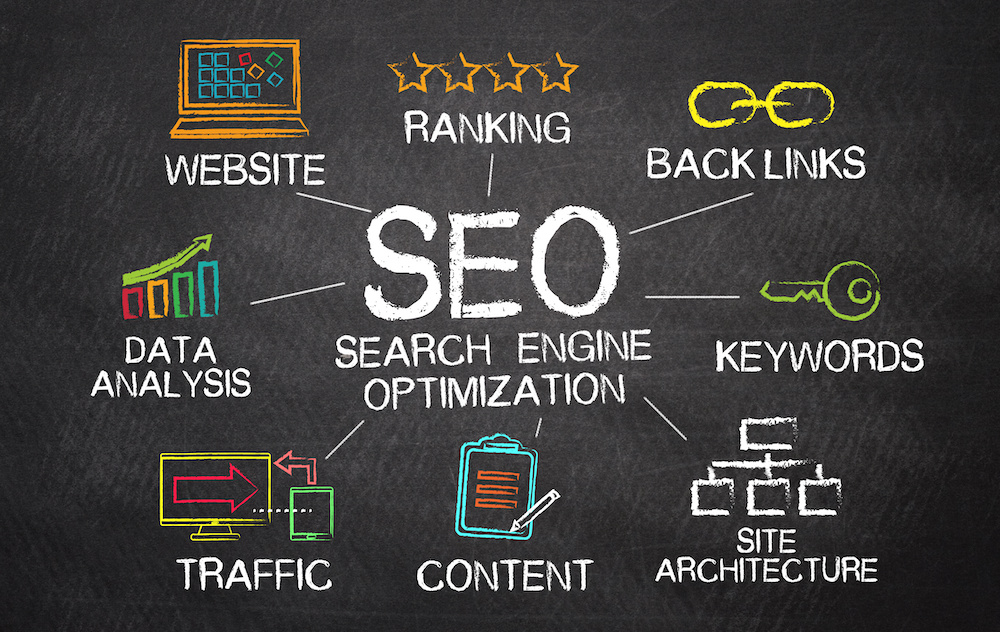
SEO is the process of optimizing your website so that search engines like Google, Bing, and Yahoo can understand, index, and rank it higher in search results. A higher ranking increases your website’s visibility, driving more organic traffic and potential leads. Unlike paid advertising, SEO delivers long-term benefits by continuously attracting users who are actively searching for information related to your business.
The importance of SEO cannot be overstated. Studies show that the majority of online experiences begin with a search engine, and most users rarely go beyond the first page of results. This makes ranking high on search results critical for your business’s online success. SEO also builds credibility and trust. Websites that appear on the first page are perceived as more reliable and authoritative, encouraging users to click and engage with your content.
Keyword Research: The Foundation of SEO
Keyword research is the first step in any successful SEO strategy. Keywords are the terms and phrases users type into search engines to find information. By targeting the right keywords, you align your content with your audience’s search intent.
Effective keyword research involves identifying high-traffic, low-competition keywords relevant to your niche. Tools like Google Keyword Planner, SEMrush, and Ahrefs can help uncover these opportunities. It’s also important to focus on long-tail keywords—more specific phrases that may have lower search volume but higher conversion potential. For example, instead of targeting “shoes,” a long-tail keyword like “best running shoes for flat feet” is more likely to attract qualified visitors ready to take action.
On-Page SEO: Optimizing Your Content
On-page SEO involves optimizing elements within your website to improve search engine rankings. This includes:
- Title Tags: Use your target keyword in the page title to signal relevance to search engines.
- Meta Descriptions: Write compelling meta descriptions to increase click-through rates from search results.
- Headings (H1, H2, H3): Structure your content with headings for better readability and keyword inclusion.
- Internal Linking: Link to other pages on your site to improve navigation and spread link authority.
- Image Optimization: Use descriptive file names, alt text, and compressed images to improve page load speed.
High-quality content is the heart of on-page SEO. Your content should provide value, answer questions, and solve problems for your audience. Engaging, well-structured, and original content increases dwell time, reduces bounce rates, and signals to search engines that your site is authoritative.
Technical SEO: Ensuring a Smooth User Experience
Technical SEO focuses on the backend elements of your website that impact search engine crawling and indexing. Key aspects include:
- Site Speed: Fast-loading websites improve user experience and are favored by search engines.
- Mobile-Friendliness: With most users browsing on mobile devices, responsive design is critical.
- Secure Connections (HTTPS): Security is a ranking factor and builds trust with visitors.
- XML Sitemap: Helps search engines discover and index your content efficiently.
- Structured Data: Enhances search results with rich snippets, making your listing more appealing.
A technically optimized website ensures that both users and search engines can navigate your content easily, enhancing your chances of ranking higher.
Off-Page SEO: Building Authority
Off-page SEO involves activities outside your website that improve its authority and credibility. The most important factor here is backlinks—links from other websites pointing to your site. High-quality backlinks signal to search engines that your website is trustworthy and valuable.
Building backlinks can be achieved through guest posting, influencer collaborations, and creating shareable content such as infographics or research studies. Social media promotion also helps increase visibility and the potential for organic backlinks. While off-page SEO may take time, it is essential for establishing your website as an authoritative source in your industry.
Measuring and Tracking SEO Performance
SEO is not a one-time task but an ongoing process. Tools like Google Analytics and Google Search Console allow you to track key metrics such as organic traffic, keyword rankings, bounce rates, and conversion rates. By analyzing these metrics, you can identify areas for improvement and adjust your strategies accordingly. Continuous monitoring and optimization are crucial to maintaining and improving your search engine rankings.